October 28, 2026 · 3 min read
Letters to Your Child: How to Write Something They Will Actually Want to Read

"Dear future you" is a difficult way to start a letter.
It immediately makes everything feel important.
Suddenly you are supposed to explain parenthood, life, love, time, family and possibly the meaning of the universe before finishing your coffee.
That pressure is probably why so many parents love the idea of writing letters to their children and never actually do it.
There is an easier way.
Do not begin with wisdom.
Begin with Tuesday.
Write what happened
Your child does not need every letter to contain a life lesson.
Tell them what they were like.
- What they were obsessed with.
- What they ate every morning.
- What they refused to wear.
- The book you read every night.
- The question they asked over and over.
- The strange game they made everybody play.
- The expression they made when they were trying not to laugh.
That is the material they cannot recreate later.
The best letters are specific
Compare "You were such a funny child." with "You spent three weeks calling every pigeon Kevin. We never learned why."
The second sentence gives your child something they can see.
Specificity turns memory into story.
That is why the easiest way to write letters to your child may be to collect details before trying to write the letter itself.
Build the letter one memory at a time
Deara takes exactly that approach.
Parents can save individual written or voice memories throughout the month. Those saved moments can then become monthly letters.
This removes the blank-page problem.
Instead of sitting down on the last day of the month and asking, "What happened in October?" you already have the answer.
- A funny sentence on October 3.
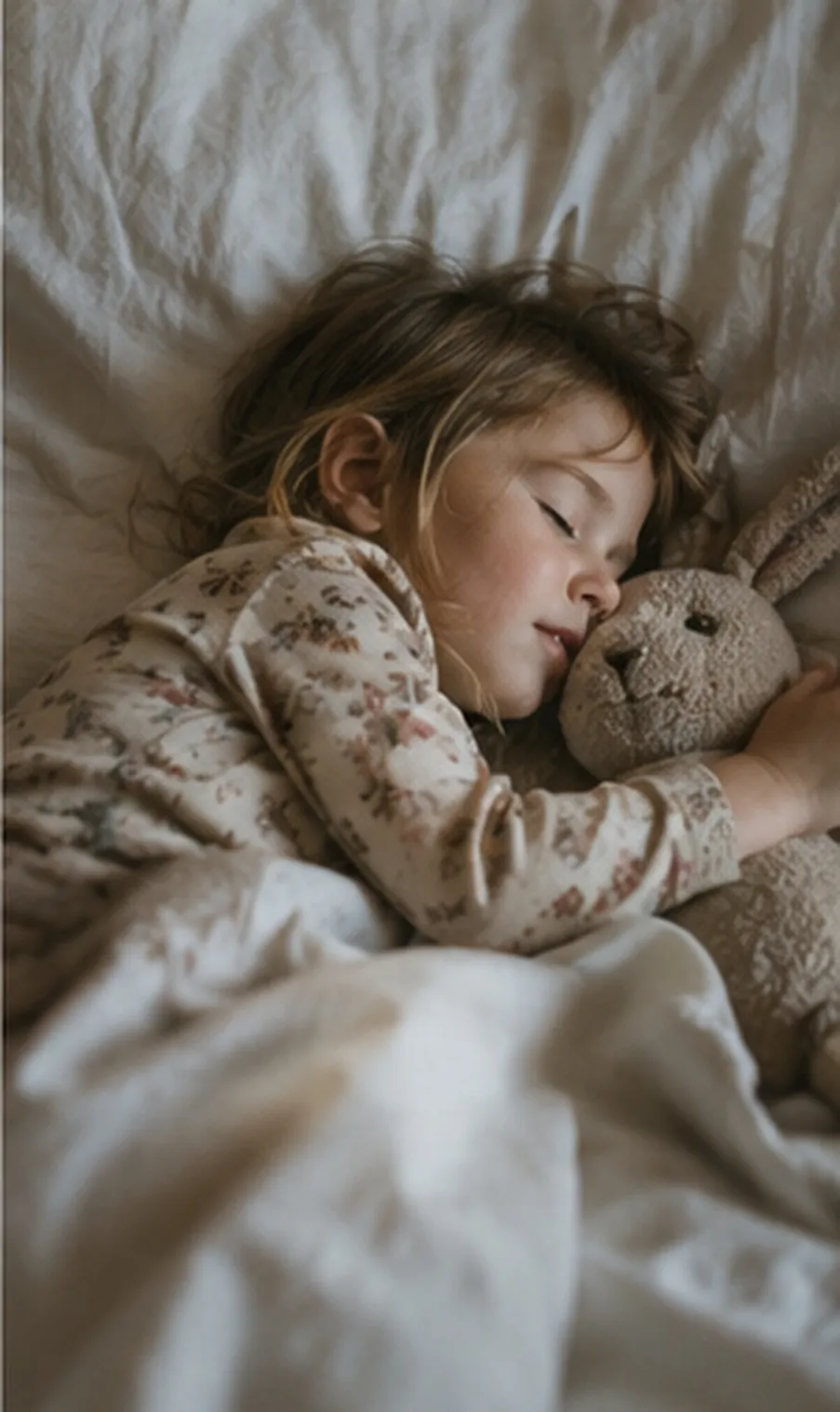
- A sleepy photo on October 8.
- A voice note after preschool on October 14.
- A story about bedtime on October 26.
Now you have a letter.
Voice notes make this dramatically easier
A letters to my child app does not need to require typing.
Sometimes the best raw material comes from talking.
Imagine recording this while loading the dishwasher:
"Today you told me you were never getting married because you don't want anyone else using your pillow. I laughed so hard you got offended."
That took fifteen seconds.
It can later become part of something your child reads years from now.
In Deara, a recording like that becomes polished text you can read and edit, and the recording itself stays with the memory, so the way you told it is still there when the letter is written.
Write from the age they are now
Try not to write the letter from your child's imagined future perspective.
Write from now.
- What surprised you this month?
- What changed?
- What are they learning?
- What do they love?
- What is hard?
- What makes them laugh?
- What makes you laugh?
- What do you think you are going to miss?
That last question is especially useful.
Parents often know something is temporary while it is happening.
We just assume we will remember it.
Future delivery changes the feeling
A letter becomes even more meaningful when it is written for a specific future moment.
Deara supports future delivery of a selected memory or letter.
That creates possibilities beyond the traditional journal.
- A letter for a future birthday.
- A memory saved for graduation.
- Something written during kindergarten to be opened years later.
- A family story delivered when the child is old enough to understand it.
That is where a family time capsule app becomes more than storage.
It becomes communication across time.
Do not try to sound profound
Your child already has access to inspirational quotes.
What they do not have is your memory of them.
Give them that instead.
Tell them about the cereal. The rain boots. The moon question. The impossible bedtime. The way they ran down the hallway when they heard your key in the door.
Years from now, those ordinary details may be the most extraordinary things in the letter.
Create your first memory in Deara or download Deara on the App Store.